


How Is High Precision Copper Strip Used in Transformers and Busbars?
Release Time : 2026-05-19
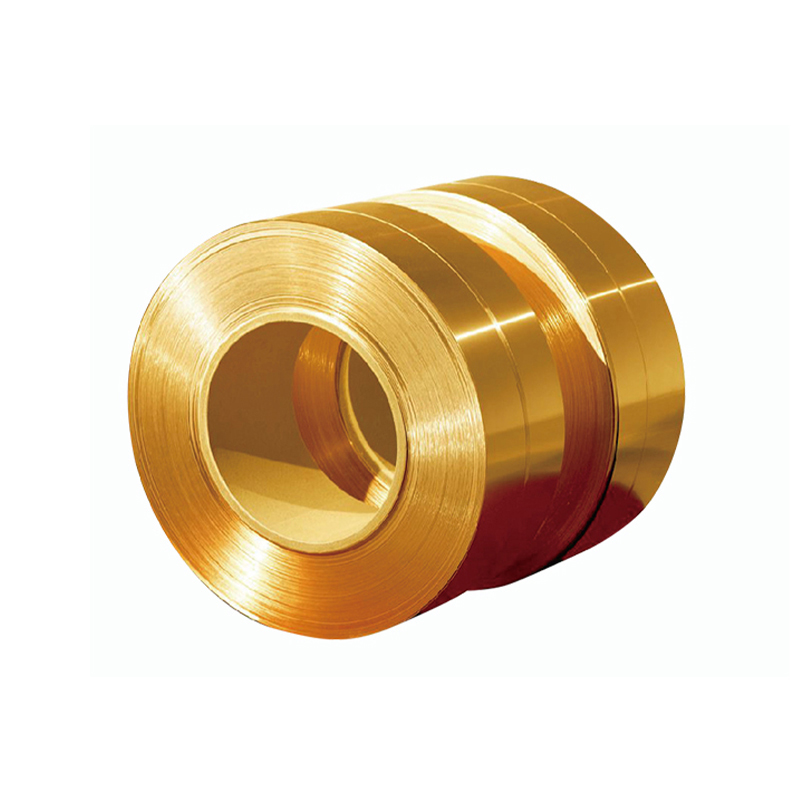
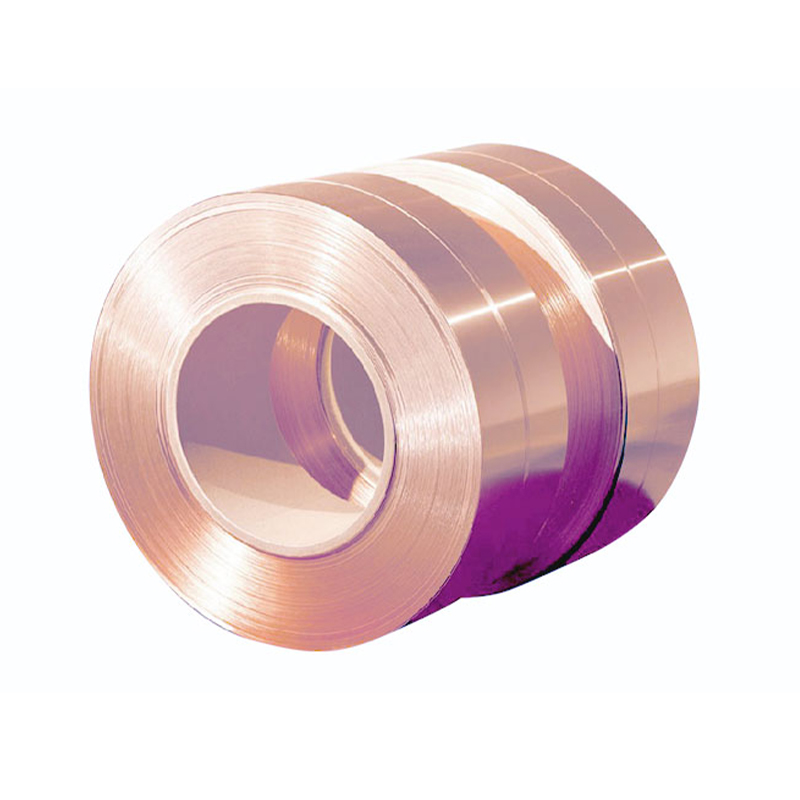
High precision copper strip serves as a foundational material in the modern electrical and power distribution industries. Its exceptional electrical conductivity, superior thermal management capabilities, and excellent corrosion resistance make it an indispensable component in critical infrastructure. Two of the most prominent applications for this advanced material are in the manufacturing of transformers and busbars. In both contexts, the high purity and precise physical dimensions of the copper strip play a vital role in ensuring energy efficiency, operational safety, and long-term reliability across various industrial sectors.
In transformer applications, high precision copper strip is primarily used to create foil windings that replace traditional round copper wires. This shift in design offers substantial engineering advantages. The flat, rectangular cross-section of the copper strip allows for extremely tight packing within the transformer core. This results in a significantly higher space utilization rate, often exceeding 90 percent, compared to the roughly 70 percent achieved by circular wires. This efficient use of space is crucial for designing compact, high-power-density transformers required in modern electronics and electric vehicles. Furthermore, the broad surface area of the copper strip facilitates much better heat dissipation. By maintaining lower operating temperatures, the transformer experiences less thermal stress on its insulation materials, which directly translates to an extended service life and enhanced stability.
The performance of copper strip in transformers becomes even more critical at high frequencies. In alternating current systems, electricity tends to flow along the outer surface of a conductor, a phenomenon known as the skin effect. High precision copper strips are manufactured with tightly controlled, ultra-thin gauges—sometimes as thin as 0.1 millimeters—which effectively mitigates the negative impacts of the skin effect and reduces eddy current losses. To maximize these benefits, manufacturers often utilize high-purity grades such as TU1 oxygen-free copper. With a copper content exceeding 99.97 percent and extremely low oxygen levels, TU1 copper delivers outstanding electrical conductivity and remarkable resistance to corrosion. This ensures that transformers can operate efficiently even in harsh environments characterized by high humidity or temperature fluctuations.
Beyond transformers, high precision copper strip is extensively processed into busbars, which act as the central arteries for power distribution in electrical switchgear, data centers, and renewable energy systems. Busbars are responsible for collecting and distributing large amounts of electrical current with minimal loss. The inherent high conductivity of precision copper ensures that power is transmitted efficiently, reducing wasteful heat generation. In high-demand environments like modern data centers, where power density continues to rise, the superior thermal conductivity of copper busbars helps dissipate residual heat rapidly, preventing dangerous overheating and ensuring the continuous operation of sensitive servers and networking equipment.
The fabrication of busbars from high precision copper strip requires advanced manufacturing techniques to meet strict engineering tolerances. Modern production facilities employ high-speed CNC punching and shearing machines capable of achieving dimensional accuracy within ±0.05 millimeters. This level of precision is essential for ensuring that busbars fit perfectly within complex electrical assemblies and maintain proper clearance distances for safety. Additionally, because bare copper is susceptible to oxidation over time, these busbars typically undergo specialized surface treatments. Applying coatings such as tin or nickel protects the underlying copper from environmental degradation, maintains low contact resistance at connection points, and guarantees reliable electrical performance throughout the lifespan of the installation.
The versatility of high precision copper strip extends into the rapidly growing new energy sector. In photovoltaic solar power plants and wind farms, this material is integral to the construction of inverters and step-up transformers that integrate renewable energy into the main power grid. Similarly, the electric vehicle industry relies heavily on copper strips for onboard charging systems, battery interconnects, and drive motors. The material's ability to handle high currents while remaining lightweight contributes directly to the driving range and charging speed of electric vehicles. As global industries continue to prioritize energy conservation and emission reduction, the demand for high-performance conductive materials will only intensify. High precision copper strip stands at the forefront of this technological evolution, providing the silent yet powerful backbone for a safer, greener, and more electrified future.
In transformer applications, high precision copper strip is primarily used to create foil windings that replace traditional round copper wires. This shift in design offers substantial engineering advantages. The flat, rectangular cross-section of the copper strip allows for extremely tight packing within the transformer core. This results in a significantly higher space utilization rate, often exceeding 90 percent, compared to the roughly 70 percent achieved by circular wires. This efficient use of space is crucial for designing compact, high-power-density transformers required in modern electronics and electric vehicles. Furthermore, the broad surface area of the copper strip facilitates much better heat dissipation. By maintaining lower operating temperatures, the transformer experiences less thermal stress on its insulation materials, which directly translates to an extended service life and enhanced stability.
The performance of copper strip in transformers becomes even more critical at high frequencies. In alternating current systems, electricity tends to flow along the outer surface of a conductor, a phenomenon known as the skin effect. High precision copper strips are manufactured with tightly controlled, ultra-thin gauges—sometimes as thin as 0.1 millimeters—which effectively mitigates the negative impacts of the skin effect and reduces eddy current losses. To maximize these benefits, manufacturers often utilize high-purity grades such as TU1 oxygen-free copper. With a copper content exceeding 99.97 percent and extremely low oxygen levels, TU1 copper delivers outstanding electrical conductivity and remarkable resistance to corrosion. This ensures that transformers can operate efficiently even in harsh environments characterized by high humidity or temperature fluctuations.
Beyond transformers, high precision copper strip is extensively processed into busbars, which act as the central arteries for power distribution in electrical switchgear, data centers, and renewable energy systems. Busbars are responsible for collecting and distributing large amounts of electrical current with minimal loss. The inherent high conductivity of precision copper ensures that power is transmitted efficiently, reducing wasteful heat generation. In high-demand environments like modern data centers, where power density continues to rise, the superior thermal conductivity of copper busbars helps dissipate residual heat rapidly, preventing dangerous overheating and ensuring the continuous operation of sensitive servers and networking equipment.
The fabrication of busbars from high precision copper strip requires advanced manufacturing techniques to meet strict engineering tolerances. Modern production facilities employ high-speed CNC punching and shearing machines capable of achieving dimensional accuracy within ±0.05 millimeters. This level of precision is essential for ensuring that busbars fit perfectly within complex electrical assemblies and maintain proper clearance distances for safety. Additionally, because bare copper is susceptible to oxidation over time, these busbars typically undergo specialized surface treatments. Applying coatings such as tin or nickel protects the underlying copper from environmental degradation, maintains low contact resistance at connection points, and guarantees reliable electrical performance throughout the lifespan of the installation.
The versatility of high precision copper strip extends into the rapidly growing new energy sector. In photovoltaic solar power plants and wind farms, this material is integral to the construction of inverters and step-up transformers that integrate renewable energy into the main power grid. Similarly, the electric vehicle industry relies heavily on copper strips for onboard charging systems, battery interconnects, and drive motors. The material's ability to handle high currents while remaining lightweight contributes directly to the driving range and charging speed of electric vehicles. As global industries continue to prioritize energy conservation and emission reduction, the demand for high-performance conductive materials will only intensify. High precision copper strip stands at the forefront of this technological evolution, providing the silent yet powerful backbone for a safer, greener, and more electrified future.