


How to balance lightweight design and high conductivity requirements in automotive electrical applications using high-precision copper strips?
Release Time : 2026-05-13
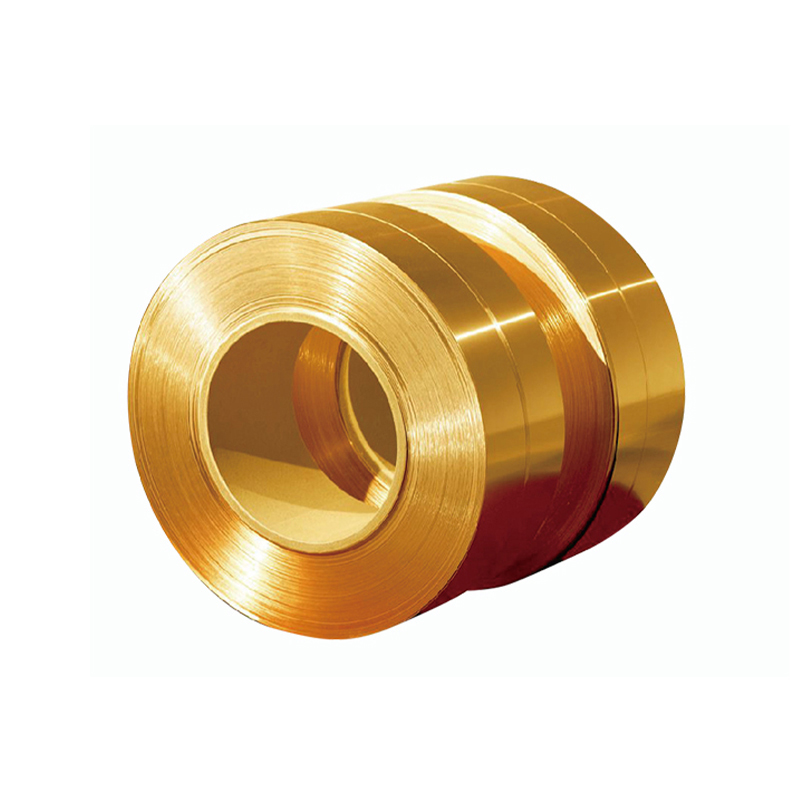
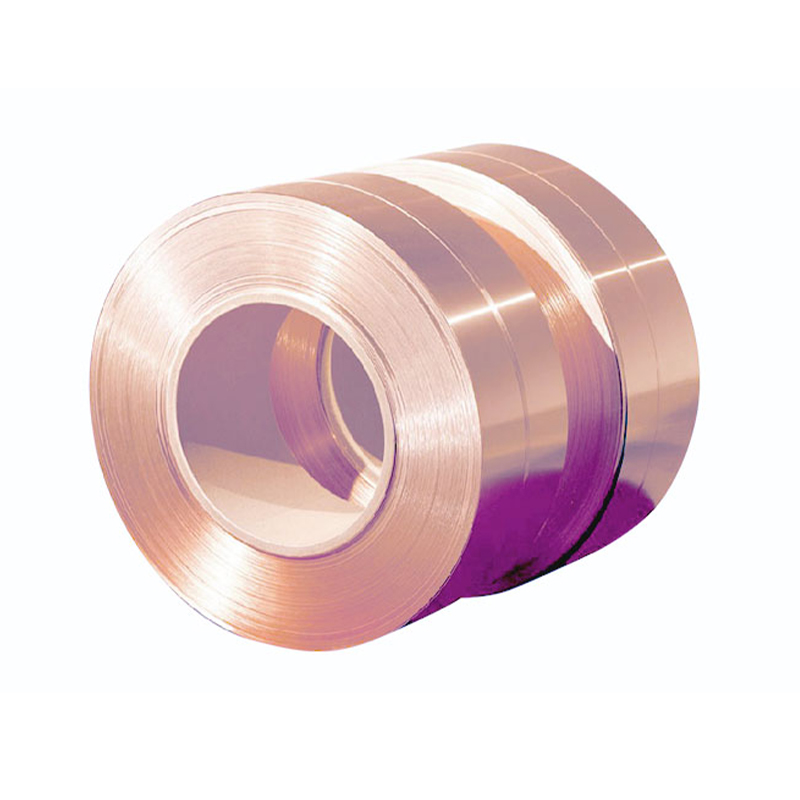
With the rapid development of new energy vehicles and intelligent vehicle technologies, the complexity of automotive electrical systems is constantly increasing. From power batteries and on-board electronic controls to intelligent driving systems, numerous electronic devices place higher demands on conductive materials. High-precision copper strips, due to their excellent conductivity, thermal conductivity, and processing performance, are widely used in automotive electrical equipment, connectors, busbars, and battery conductive structures.
1. Optimizing Copper Alloy Composition to Improve Lightweight Performance
While traditional pure copper has extremely high conductivity, its high density increases the overall vehicle weight in the context of high-power consumption in new energy vehicles. Therefore, many automotive electrical devices are now adopting high-performance copper alloy materials, optimizing the metal composition to reduce material usage while maintaining conductivity. In some high-precision copper strips, trace amounts of elements such as magnesium, tin, or silver are appropriately added to improve material strength and heat resistance. This not only reduces the thickness of the copper strip but also maintains good mechanical stability. With increased material strength, the conductive structure can be designed to be thinner and lighter, thus achieving the overall lightweight goal. Meanwhile, advanced rolling processes can also improve the internal density of copper strips, allowing the material to maintain stable conductivity even in a thinner state. Compared to traditional thick conductive strips, high-strength thin copper strips can effectively reduce the weight of automotive wiring harnesses and connection systems, improving the range efficiency of new energy vehicles.
2. Improved Conductivity and Heat Dissipation to Reduce Energy Loss
In automotive electrical systems, conductivity efficiency is directly related to energy utilization. Insufficient conductivity can easily generate significant heat during high-current operation, affecting system stability. Therefore, high-precision copper strips not only need to be lightweight but also possess excellent conductivity and thermal conductivity. To reduce resistance losses, modern high-precision copper strips typically use high-purity refined copper materials and optimize the crystal structure through precision annealing processes, making electron transmission more stable and smooth. This effectively reduces energy loss during current flow, improving overall electrical efficiency. To further reduce energy consumption, some high-end automotive electronic systems also shorten conductive paths and optimize bus layout to reduce unnecessary current losses, thereby achieving more efficient energy management.
3. Precision Machining Technology Enhances Overall Application Performance
Besides the inherent properties of the material itself, the machining precision of high-precision copper strips also affects the overall performance of automotive electrical equipment. In new energy vehicles, many electronic components are becoming increasingly compact, therefore the copper strips must not only be thin and lightweight but also possess high dimensional accuracy and stable forming capabilities. Furthermore, some automotive electrical equipment uses copper strips that have undergone tin plating or nickel plating to enhance corrosion resistance and oxidation resistance. Especially in humid, high-temperature, and long-term vibration environments, a stable surface protective layer can effectively extend the service life of conductive structures.
To balance the requirements of lightweight design and high conductivity in automotive electrical equipment applications, high-precision copper strips need comprehensive optimization from multiple aspects, including alloy materials, conductive and heat dissipation performance, and precision machining technology. With the continuous upgrading of new energy vehicles and intelligent electrical systems, high-precision copper strips will show even broader development prospects in terms of high efficiency, lightweight design, and long-term reliability.
1. Optimizing Copper Alloy Composition to Improve Lightweight Performance
While traditional pure copper has extremely high conductivity, its high density increases the overall vehicle weight in the context of high-power consumption in new energy vehicles. Therefore, many automotive electrical devices are now adopting high-performance copper alloy materials, optimizing the metal composition to reduce material usage while maintaining conductivity. In some high-precision copper strips, trace amounts of elements such as magnesium, tin, or silver are appropriately added to improve material strength and heat resistance. This not only reduces the thickness of the copper strip but also maintains good mechanical stability. With increased material strength, the conductive structure can be designed to be thinner and lighter, thus achieving the overall lightweight goal. Meanwhile, advanced rolling processes can also improve the internal density of copper strips, allowing the material to maintain stable conductivity even in a thinner state. Compared to traditional thick conductive strips, high-strength thin copper strips can effectively reduce the weight of automotive wiring harnesses and connection systems, improving the range efficiency of new energy vehicles.
2. Improved Conductivity and Heat Dissipation to Reduce Energy Loss
In automotive electrical systems, conductivity efficiency is directly related to energy utilization. Insufficient conductivity can easily generate significant heat during high-current operation, affecting system stability. Therefore, high-precision copper strips not only need to be lightweight but also possess excellent conductivity and thermal conductivity. To reduce resistance losses, modern high-precision copper strips typically use high-purity refined copper materials and optimize the crystal structure through precision annealing processes, making electron transmission more stable and smooth. This effectively reduces energy loss during current flow, improving overall electrical efficiency. To further reduce energy consumption, some high-end automotive electronic systems also shorten conductive paths and optimize bus layout to reduce unnecessary current losses, thereby achieving more efficient energy management.
3. Precision Machining Technology Enhances Overall Application Performance
Besides the inherent properties of the material itself, the machining precision of high-precision copper strips also affects the overall performance of automotive electrical equipment. In new energy vehicles, many electronic components are becoming increasingly compact, therefore the copper strips must not only be thin and lightweight but also possess high dimensional accuracy and stable forming capabilities. Furthermore, some automotive electrical equipment uses copper strips that have undergone tin plating or nickel plating to enhance corrosion resistance and oxidation resistance. Especially in humid, high-temperature, and long-term vibration environments, a stable surface protective layer can effectively extend the service life of conductive structures.
To balance the requirements of lightweight design and high conductivity in automotive electrical equipment applications, high-precision copper strips need comprehensive optimization from multiple aspects, including alloy materials, conductive and heat dissipation performance, and precision machining technology. With the continuous upgrading of new energy vehicles and intelligent electrical systems, high-precision copper strips will show even broader development prospects in terms of high efficiency, lightweight design, and long-term reliability.