


How can copper button products achieve a balance between precision and structural strength through the combination of stamping and engraving processes?
Release Time : 2026-04-29
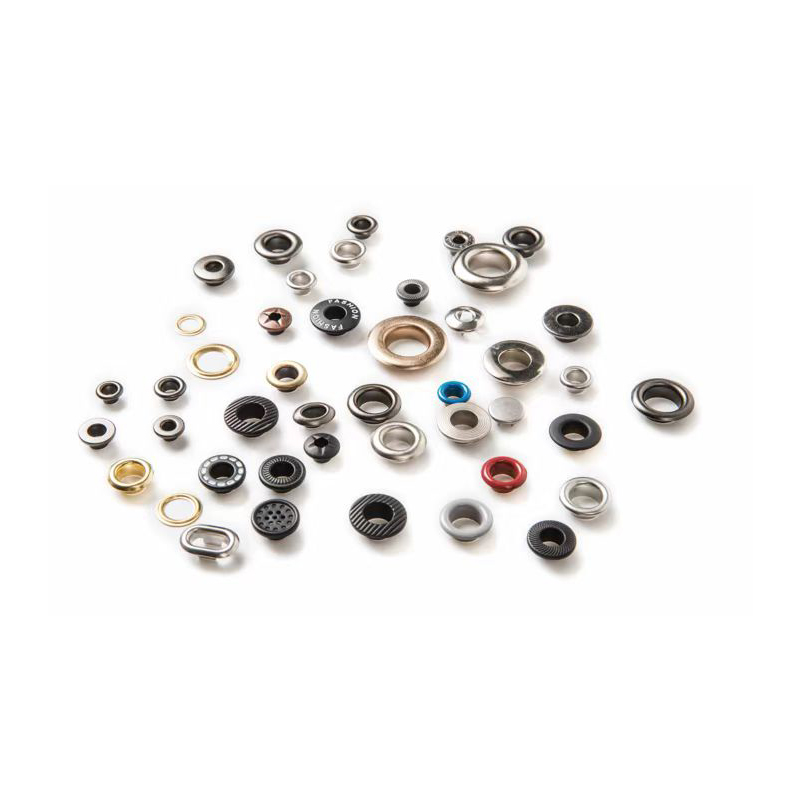
In the high-end apparel and bag accessories sector, copper button products not only serve a connecting function but are also crucial elements showcasing craftsmanship and quality. By combining stamping and engraving, intricate and complex aesthetic details can be achieved while maintaining structural strength. This fusion of processes essentially establishes a balance between "efficient forming" and "precise finishing," resulting in products that are both durable and artistically expressive.
1. Stamping Lays the Structural Foundation
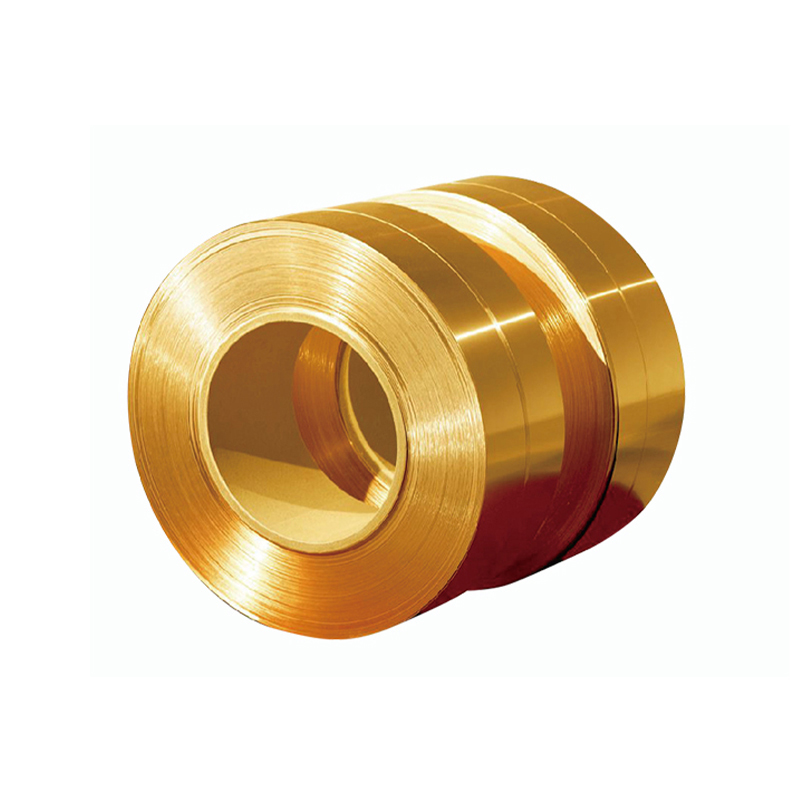
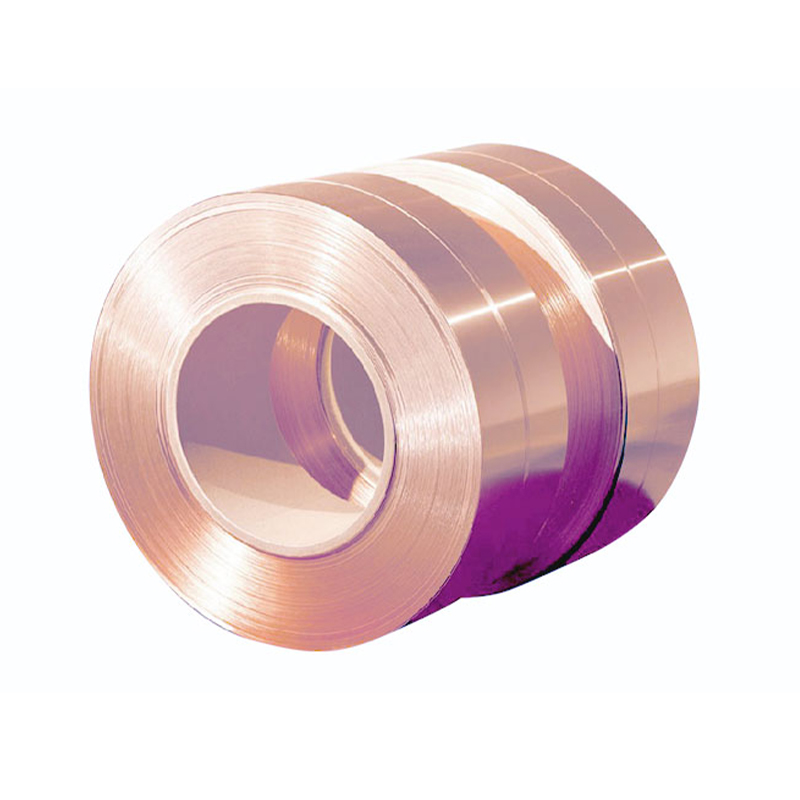
Stamping is a key step in forming copper buttons. Using a die, copper strips are plastically deformed under high pressure, quickly achieving their basic outline and thickness distribution. This process is characterized by high efficiency and consistency, ensuring the dimensional and structural stability of each button. Simultaneously, the dense structure formed during stamping helps improve the overall strength of the material, providing a solid foundation for subsequent processing.
2. Engraving Enhances Detail
After stamping, engraving is used to further refine surface patterns and details. Through mechanical engraving or CNC technology, delicate textures and three-dimensional patterns can be etched onto the surface of buttons, making the product more layered and visually appealing. Fine engraving is not only a decorative technique but also optimizes edge transitions to a certain extent, reducing the impact of sharp structures on the user experience.
3. Seamless Process Integration Ensures Consistent Precision
The connection between stamping and fine engraving is particularly crucial. Insufficient basic forming precision will directly affect the subsequent engraving effect. Therefore, reasonable machining allowances need to be reserved in mold design and stamping control to ensure that the fine engraving process leverages the advantages of precision machining without damaging the overall structure. This "forming first, then finishing" process effectively controls dimensional errors, achieving high-precision finished products.
4. Material Properties Support Strength and Detail Compatibility
Copper itself has good ductility and machinability, is not prone to cracking during stamping, and maintains good cutting performance during fine engraving. This material characteristic allows it to adapt to both large deformation processing and fine machining requirements. Furthermore, the dense structure of copper helps maintain overall strength after detailed engraving, preventing performance degradation due to localized processing.
5. Post-processing further optimizes overall performance
After stamping and engraving, surface treatments such as polishing, electroplating, or brushing are typically applied. These processes not only enhance the appearance but also protect the surface structure to some extent, reducing the impact of oxidation and wear on details. Through the synergistic effect of multiple processes, buttons maintain a stable structure and clear texture over long-term use.
Overall, copper button products achieve a balance between structural strength and detail precision through the organic combination of stamping and engraving processes. The key lies in the rational allocation of functions among the processes, and the synergistic optimization of materials, processes, and design, resulting in products that are both robust and durable, possessing an exquisite appearance, and meeting the dual quality requirements of high-end applications.
1. Stamping Lays the Structural Foundation
Stamping is a key step in forming copper buttons. Using a die, copper strips are plastically deformed under high pressure, quickly achieving their basic outline and thickness distribution. This process is characterized by high efficiency and consistency, ensuring the dimensional and structural stability of each button. Simultaneously, the dense structure formed during stamping helps improve the overall strength of the material, providing a solid foundation for subsequent processing.
2. Engraving Enhances Detail
After stamping, engraving is used to further refine surface patterns and details. Through mechanical engraving or CNC technology, delicate textures and three-dimensional patterns can be etched onto the surface of buttons, making the product more layered and visually appealing. Fine engraving is not only a decorative technique but also optimizes edge transitions to a certain extent, reducing the impact of sharp structures on the user experience.
3. Seamless Process Integration Ensures Consistent Precision
The connection between stamping and fine engraving is particularly crucial. Insufficient basic forming precision will directly affect the subsequent engraving effect. Therefore, reasonable machining allowances need to be reserved in mold design and stamping control to ensure that the fine engraving process leverages the advantages of precision machining without damaging the overall structure. This "forming first, then finishing" process effectively controls dimensional errors, achieving high-precision finished products.
4. Material Properties Support Strength and Detail Compatibility
Copper itself has good ductility and machinability, is not prone to cracking during stamping, and maintains good cutting performance during fine engraving. This material characteristic allows it to adapt to both large deformation processing and fine machining requirements. Furthermore, the dense structure of copper helps maintain overall strength after detailed engraving, preventing performance degradation due to localized processing.
5. Post-processing further optimizes overall performance
After stamping and engraving, surface treatments such as polishing, electroplating, or brushing are typically applied. These processes not only enhance the appearance but also protect the surface structure to some extent, reducing the impact of oxidation and wear on details. Through the synergistic effect of multiple processes, buttons maintain a stable structure and clear texture over long-term use.
Overall, copper button products achieve a balance between structural strength and detail precision through the organic combination of stamping and engraving processes. The key lies in the rational allocation of functions among the processes, and the synergistic optimization of materials, processes, and design, resulting in products that are both robust and durable, possessing an exquisite appearance, and meeting the dual quality requirements of high-end applications.