
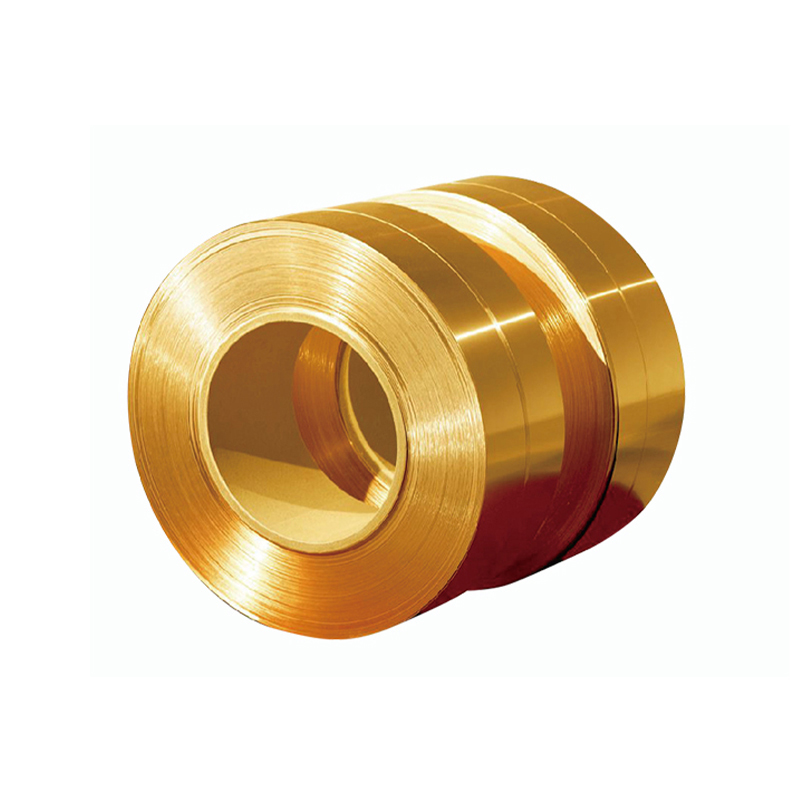
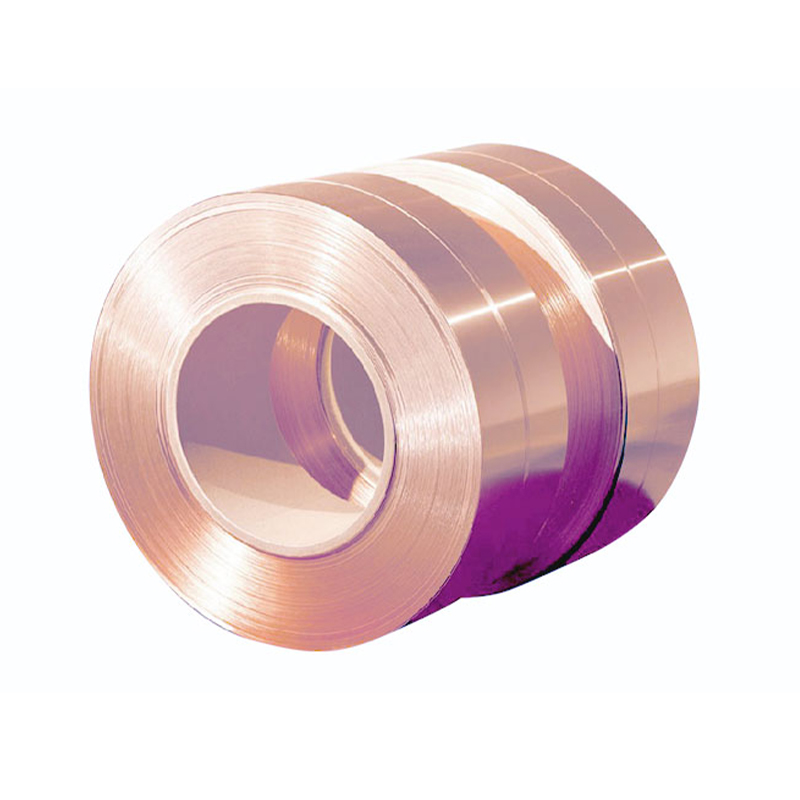


How can we ensure color consistency and improve quality between different batches of high-precision brass strips?
Release Time : 2026-04-20
High-precision brass strips, due to their excellent mechanical properties and processing characteristics, are widely used in precision instruments, electronic components, and decorative applications. Color consistency is a core indicator of product quality. Color differences between batches mainly stem from fluctuations in raw material composition, processing deviations, and uneven surface treatment. To ensure color consistency, a comprehensive control system must be established, encompassing raw material control, smelting processes, processing parameters, surface treatment, and quality inspection.
The stability of raw material composition is fundamental to color consistency. The color of brass is determined by the copper-zinc ratio and trace element content. Fluctuations in elements such as zinc, iron, and lead in different batches of raw materials directly lead to color differences. Therefore, strict raw material acceptance standards must be established, and chemical composition analysis must be performed on each batch of copper and zinc ingots to ensure that the main components and impurity content meet the formulation requirements. Simultaneously, employing a mixing process, combining multiple batches of raw materials in a specific ratio before use, can further reduce the impact of compositional fluctuations on color. For example, homogenization pretreatment can make the raw material composition more uniform, reducing color unevenness caused by localized component deviations.
Optimizing the smelting process is crucial for controlling color. During smelting, factors such as temperature, time, and stirring intensity affect the uniformity of the alloy. Insufficient smelting temperature or too short a holding time may lead to incomplete fusion of copper and zinc, resulting in compositional segregation; while over-smelting may cause oxidation or volatilization, altering the alloy composition. Therefore, standardized smelting process parameters need to be established and adjusted in real time through online composition monitoring. For example, using inert gas protection during smelting can reduce oxidation and prevent the formation of an oxide layer on the surface, affecting color; electromagnetic or mechanical stirring promotes uniform distribution of alloying elements, reducing color differences caused by compositional inhomogeneity.
Precise control of processing parameters is essential for color consistency. The processing of high-precision brass strips typically includes hot rolling, cold rolling, and drawing processes. The deformation amount, temperature, and speed at each stage affect the surface condition and internal structure. For example, excessively high final rolling temperature during hot rolling may lead to coarse grains, increasing surface roughness and causing uneven light reflection, resulting in color differences; excessive reduction during cold rolling may cause work hardening, leading to inconsistent color during subsequent polishing. Therefore, optimal processing parameters need to be determined through process experiments, and automated equipment should be used to achieve precise parameter control. Simultaneously, the dimensions and surface quality of the strips must be regularly inspected during processing, and parameters adjusted promptly to avoid cumulative deviations.
Standardization of surface treatment processes is the core means to improve color consistency. Surface treatment of high-precision brass strips typically includes polishing, passivation, and electroplating. The operational specifications of each step affect the final color. For example, uneven abrasive particle size or inconsistent pressure during polishing will lead to differences in surface roughness, resulting in varying light reflection and inconsistent color depth. Improper control of solution concentration or time during passivation may form an uneven oxide film, affecting color stability. Therefore, detailed surface treatment process documents need to be developed, clearly defining the operational parameters and quality standards for each step, and the processing effect should be monitored in real time using online monitoring equipment. For example, electrolytic polishing can achieve uniform surface removal, obtaining a mirror-like gloss; chemical passivation forms a dense oxide film, improving color durability.
Establishing a quality inspection and traceability system is the last line of defense to ensure color consistency. Strict color testing standards need to be established, employing tools such as color charts and spectrophotometers to compare the color of each batch of products, ensuring they meet customer requirements. Simultaneously, a product traceability system should be established to record the raw materials, processing parameters, and testing data for each batch, enabling rapid identification of the cause and implementation of corrective measures when color issues arise. For example, identifying each roll of brass strip with barcodes or QR codes allows for full traceability from raw materials to finished products, providing data support for quality control.