


How to achieve high consistency in thickness and width of high-precision copper strip while ensuring high conductivity?
Release Time : 2026-04-07
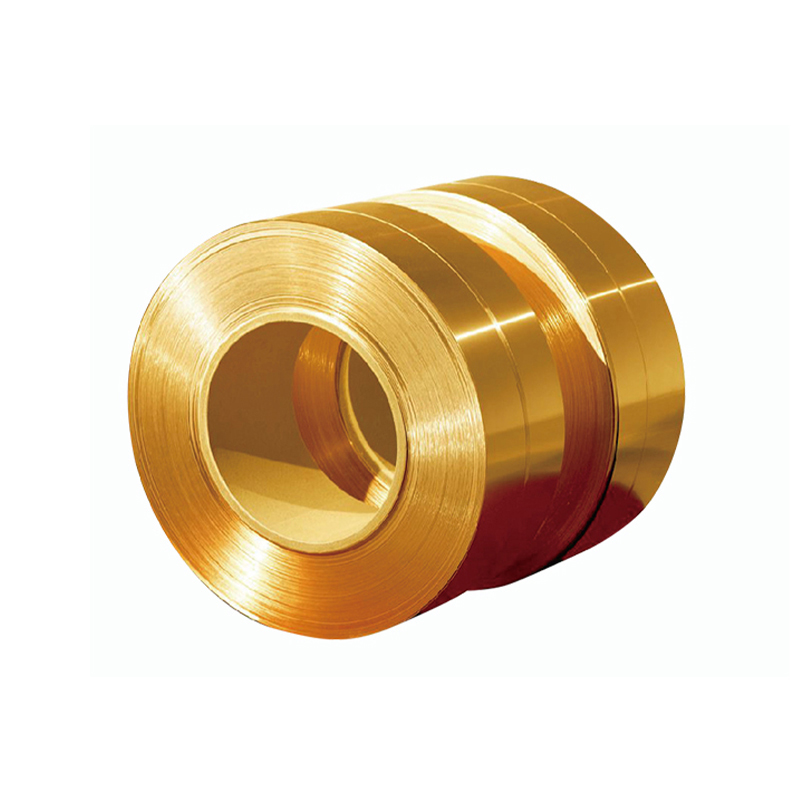
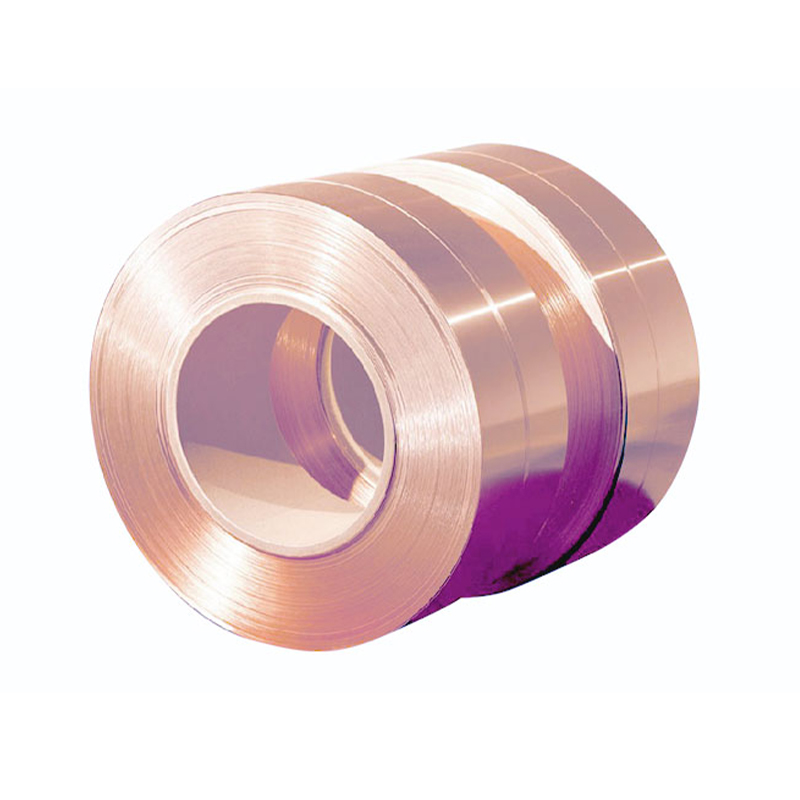
In fields such as electronics, new energy, and power equipment, high-precision copper strip is a key conductive material, placing extremely high demands on its conductivity and dimensional accuracy. Especially in high-end applications, ensuring excellent conductivity while achieving high consistency in thickness and width presents stringent challenges to material design and manufacturing processes. Through multi-stage collaborative optimization, an effective balance between performance and precision can be achieved.
1. High-purity materials ensure fundamental conductivity
The conductivity of copper strip depends primarily on material purity. High-precision copper strip typically uses high-purity cathode copper as raw material. By strictly controlling the content of impurity elements, the scattering effect on electron migration is reduced, thereby improving conductivity. Simultaneously, trace elements must be carefully added during alloying design to improve strength or corrosion resistance without significantly negatively impacting conductivity. The stability of raw material quality is a prerequisite for subsequent precision machining.
2. Precision rolling process controls thickness consistency
Thickness consistency mainly relies on high-precision rolling processes. During cold rolling, micron-level thickness adjustment can be achieved through high-rigidity mills and precision roll systems. Combined with an automatic thickness control system, real-time monitoring of copper strip thickness changes and dynamic adjustment of rolling pressure and roll gap ensure uniform thickness across the entire coil. Furthermore, a well-designed multi-pass rolling process helps reduce fluctuations caused by single-pass deformation, improving overall stability.
3. Tension and Shape Control Improve Width Uniformity
During rolling, copper strip is prone to edge thinning or central bulging, affecting width consistency. Precise control of the front and rear tension effectively improves the stress distribution in the rolling zone, reducing transverse thickness differences. Simultaneously, combining shape control technologies, such as roll bending adjustment or zoned cooling, can correct the transverse morphology of the copper strip, resulting in a more uniform thickness distribution across the width, meeting the requirements of high-precision applications.
4. Annealing Process Coordinates Performance and Precision
After multiple cold working passes, work hardening accumulates within the copper strip. Annealing is used to restore its microstructure. Properly controlling annealing temperature and time can restore material plasticity while preventing excessive grain growth, thus maintaining good mechanical and electrical properties. Furthermore, a stable annealing process helps release internal stress, reduces the risk of material deformation, and provides favorable conditions for subsequent finishing.
5. Online Inspection and Intelligent Control Ensure Stable Quality
Modern high-precision copper strip production lines are typically equipped with advanced online inspection systems, such as laser thickness gauges and width measuring devices, which can monitor product dimensions in real time. Combined with an intelligent control system, closed-loop adjustment is achieved through data feedback, ensuring that thickness and width deviations remain within a controllable range. Simultaneously, big data analytics can be used to optimize process parameters, improving production consistency and yield.
In summary, high-precision copper strip production achieves a high level of control over thickness and width consistency while ensuring high electrical conductivity through the synergistic effects of high-purity material control, precision rolling, tension and shape adjustment, proper annealing, and intelligent inspection. This comprehensive optimization not only meets the needs of high-end applications but also drives copper processing technology towards higher precision.
1. High-purity materials ensure fundamental conductivity
The conductivity of copper strip depends primarily on material purity. High-precision copper strip typically uses high-purity cathode copper as raw material. By strictly controlling the content of impurity elements, the scattering effect on electron migration is reduced, thereby improving conductivity. Simultaneously, trace elements must be carefully added during alloying design to improve strength or corrosion resistance without significantly negatively impacting conductivity. The stability of raw material quality is a prerequisite for subsequent precision machining.
2. Precision rolling process controls thickness consistency
Thickness consistency mainly relies on high-precision rolling processes. During cold rolling, micron-level thickness adjustment can be achieved through high-rigidity mills and precision roll systems. Combined with an automatic thickness control system, real-time monitoring of copper strip thickness changes and dynamic adjustment of rolling pressure and roll gap ensure uniform thickness across the entire coil. Furthermore, a well-designed multi-pass rolling process helps reduce fluctuations caused by single-pass deformation, improving overall stability.
3. Tension and Shape Control Improve Width Uniformity
During rolling, copper strip is prone to edge thinning or central bulging, affecting width consistency. Precise control of the front and rear tension effectively improves the stress distribution in the rolling zone, reducing transverse thickness differences. Simultaneously, combining shape control technologies, such as roll bending adjustment or zoned cooling, can correct the transverse morphology of the copper strip, resulting in a more uniform thickness distribution across the width, meeting the requirements of high-precision applications.
4. Annealing Process Coordinates Performance and Precision
After multiple cold working passes, work hardening accumulates within the copper strip. Annealing is used to restore its microstructure. Properly controlling annealing temperature and time can restore material plasticity while preventing excessive grain growth, thus maintaining good mechanical and electrical properties. Furthermore, a stable annealing process helps release internal stress, reduces the risk of material deformation, and provides favorable conditions for subsequent finishing.
5. Online Inspection and Intelligent Control Ensure Stable Quality
Modern high-precision copper strip production lines are typically equipped with advanced online inspection systems, such as laser thickness gauges and width measuring devices, which can monitor product dimensions in real time. Combined with an intelligent control system, closed-loop adjustment is achieved through data feedback, ensuring that thickness and width deviations remain within a controllable range. Simultaneously, big data analytics can be used to optimize process parameters, improving production consistency and yield.
In summary, high-precision copper strip production achieves a high level of control over thickness and width consistency while ensuring high electrical conductivity through the synergistic effects of high-purity material control, precision rolling, tension and shape adjustment, proper annealing, and intelligent inspection. This comprehensive optimization not only meets the needs of high-end applications but also drives copper processing technology towards higher precision.