


How Does Alloy Composition Affect the Mechanical Properties of High Precision Brass Strips?
Release Time : 2026-04-02
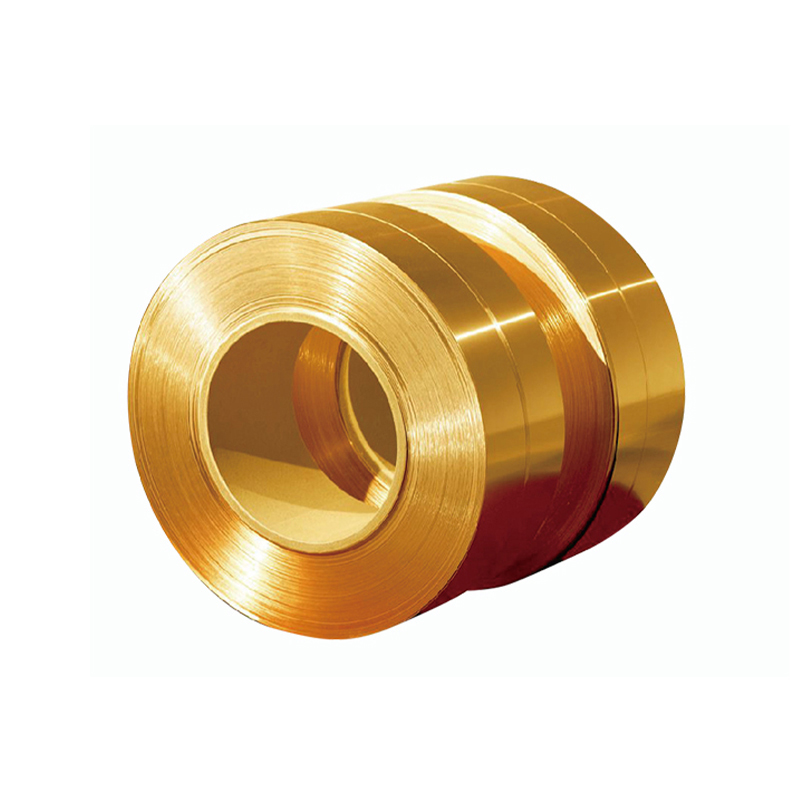
High precision brass strips serve as the backbone of modern industrial manufacturing, finding critical applications in sectors ranging from electronics and telecommunications to automotive engineering and precision instrumentation. While the term "brass" generally refers to a copper-zinc alloy, the specific mechanical properties of a high precision strip are not merely a result of the manufacturing process but are fundamentally dictated by its chemical composition. The precise ratio of copper to zinc, along with the strategic addition of trace elements such as lead, tin, phosphorus, or iron, determines the material's microstructure. This microstructure, in turn, governs essential characteristics such as tensile strength, ductility, hardness, and fatigue resistance. Therefore, understanding the relationship between alloy composition and mechanical performance is essential for selecting the correct material for high-tolerance applications.
The primary determinant of a brass strip's mechanical behavior is the proportion of zinc dissolved in the copper matrix. Copper provides the alloy with excellent electrical conductivity, thermal conductivity, and corrosion resistance, while zinc acts as a potent strengthener. As the zinc content increases, the tensile strength and hardness of the alloy generally rise due to solid solution strengthening. However, this relationship is not linear and is bound by phase changes within the metal's crystal structure. Alloys with lower zinc content, typically below 35%, form a single-phase alpha structure. These alpha brasses, such as C26000 (Cartridge Brass), are renowned for their exceptional ductility and cold working capabilities. They can be bent, stamped, and formed into complex shapes without fracturing, making them ideal for deep drawing applications.
Conversely, as the zinc content approaches and exceeds roughly 37-40%, the microstructure shifts to include a beta phase. This creates alpha-beta or "duplex" brasses, such as C28000 (Muntz Metal). The beta phase is harder and stronger than the alpha phase but significantly less ductile at room temperature. While these alloys offer higher tensile strength and are suitable for hot working or machining, they lack the formability required for many high precision strip applications that involve severe cold rolling or intricate stamping. Consequently, for high precision strips requiring a balance of strength and the ability to be rolled to thin gauges, manufacturers typically rely on alpha-phase compositions. The precise control of the zinc percentage allows engineers to fine-tune the yield strength, ensuring the strip is rigid enough to hold its shape in a connector but flexible enough to withstand insertion forces.
Beyond the copper-zinc binary system, the addition of lead is a critical compositional factor, particularly for brass strips intended for machined components or specific electrical contacts. Lead is insoluble in solid brass and exists as microscopic particles dispersed throughout the grain structure. These particles act as internal lubricants during cutting operations, breaking up chips and reducing friction, which significantly improves machinability. However, the presence of lead also impacts mechanical properties. While it enhances the surface finish during machining, it can reduce the overall ductility and fatigue strength of the strip. In high precision strips used for electrical springs, the lead content must be strictly controlled; too much can lead to premature failure under cyclic loading, while the right amount can facilitate the production of complex contact geometries.
The phenomenon of "season cracking," or stress corrosion cracking, is another mechanical failure mode directly influenced by composition. High zinc brasses are susceptible to cracking when exposed to ammonia or moisture while under residual tensile stress. To combat this, small amounts of other elements are often added. For instance, the addition of tin creates "naval brass," which offers superior corrosion resistance, particularly in marine environments. More relevant to high precision strips is the addition of phosphorus or small amounts of aluminum. These elements can act as deoxidizers during the melting process, reducing gas porosity and improving the soundness of the cast ingot. A cleaner ingot results in a strip with fewer internal defects, which directly translates to higher fatigue life and more consistent mechanical properties across the length of the coil.
Grain size is a mechanical property that is intrinsic to the material's potential but is realized through thermal processing, yet it is limited by composition. The "grain structure" of the brass strip determines its surface finish after forming and its resistance to the "orange peel" effect. High precision strips often require a specific grain size to ensure that the material flows uniformly during stamping. The chemical composition affects how the grains grow during annealing. For example, the presence of impurities or specific alloying elements can pin grain boundaries, preventing excessive grain growth. A fine-grain structure generally offers a better combination of strength and toughness compared to a coarse-grain structure. Therefore, high precision alloys are often manufactured with ultra-low levels of impurities (like iron or nickel) to ensure a consistent, fine grain structure that yields predictable spring-back characteristics.
Finally, the electrical and thermal properties of the strip, which are often secondary mechanical constraints, are heavily dependent on purity. While adding alloying elements increases strength, it invariably decreases electrical conductivity. The lattice distortion caused by zinc atoms and other solutes scatters electrons, increasing electrical resistance. In applications like lead frames or battery tabs, the alloy composition must be a carefully calculated compromise. The material must be strong enough to support the component mechanically (high yield strength) but conductive enough to carry the required current without overheating. Engineers often select specific alloys, such as C19400 (a copper-iron-phosphorus alloy often grouped with brasses in application) or high-copper brasses, to strike this balance. The composition is tuned to precipitate hardening phases that boost strength with a minimal penalty to conductivity, demonstrating that alloy design is an exercise in optimizing competing mechanical and physical demands.
In summary, the mechanical properties of high precision brass strips are not accidental but are the direct result of precise chemical engineering. From the foundational ratio of copper to zinc that dictates the phase structure, to the minute additions of lead for machinability or tin for corrosion resistance, every element plays a specific role. By manipulating these compositional variables, metallurgists can create strips that range from highly ductile materials capable of deep drawing to high-strength alloys suitable for precision springs and electrical contacts. Understanding these correlations allows manufacturers to select the optimal alloy, ensuring that the final component performs reliably under mechanical stress, thermal cycling, and environmental exposure.
The primary determinant of a brass strip's mechanical behavior is the proportion of zinc dissolved in the copper matrix. Copper provides the alloy with excellent electrical conductivity, thermal conductivity, and corrosion resistance, while zinc acts as a potent strengthener. As the zinc content increases, the tensile strength and hardness of the alloy generally rise due to solid solution strengthening. However, this relationship is not linear and is bound by phase changes within the metal's crystal structure. Alloys with lower zinc content, typically below 35%, form a single-phase alpha structure. These alpha brasses, such as C26000 (Cartridge Brass), are renowned for their exceptional ductility and cold working capabilities. They can be bent, stamped, and formed into complex shapes without fracturing, making them ideal for deep drawing applications.
Conversely, as the zinc content approaches and exceeds roughly 37-40%, the microstructure shifts to include a beta phase. This creates alpha-beta or "duplex" brasses, such as C28000 (Muntz Metal). The beta phase is harder and stronger than the alpha phase but significantly less ductile at room temperature. While these alloys offer higher tensile strength and are suitable for hot working or machining, they lack the formability required for many high precision strip applications that involve severe cold rolling or intricate stamping. Consequently, for high precision strips requiring a balance of strength and the ability to be rolled to thin gauges, manufacturers typically rely on alpha-phase compositions. The precise control of the zinc percentage allows engineers to fine-tune the yield strength, ensuring the strip is rigid enough to hold its shape in a connector but flexible enough to withstand insertion forces.
Beyond the copper-zinc binary system, the addition of lead is a critical compositional factor, particularly for brass strips intended for machined components or specific electrical contacts. Lead is insoluble in solid brass and exists as microscopic particles dispersed throughout the grain structure. These particles act as internal lubricants during cutting operations, breaking up chips and reducing friction, which significantly improves machinability. However, the presence of lead also impacts mechanical properties. While it enhances the surface finish during machining, it can reduce the overall ductility and fatigue strength of the strip. In high precision strips used for electrical springs, the lead content must be strictly controlled; too much can lead to premature failure under cyclic loading, while the right amount can facilitate the production of complex contact geometries.
The phenomenon of "season cracking," or stress corrosion cracking, is another mechanical failure mode directly influenced by composition. High zinc brasses are susceptible to cracking when exposed to ammonia or moisture while under residual tensile stress. To combat this, small amounts of other elements are often added. For instance, the addition of tin creates "naval brass," which offers superior corrosion resistance, particularly in marine environments. More relevant to high precision strips is the addition of phosphorus or small amounts of aluminum. These elements can act as deoxidizers during the melting process, reducing gas porosity and improving the soundness of the cast ingot. A cleaner ingot results in a strip with fewer internal defects, which directly translates to higher fatigue life and more consistent mechanical properties across the length of the coil.
Grain size is a mechanical property that is intrinsic to the material's potential but is realized through thermal processing, yet it is limited by composition. The "grain structure" of the brass strip determines its surface finish after forming and its resistance to the "orange peel" effect. High precision strips often require a specific grain size to ensure that the material flows uniformly during stamping. The chemical composition affects how the grains grow during annealing. For example, the presence of impurities or specific alloying elements can pin grain boundaries, preventing excessive grain growth. A fine-grain structure generally offers a better combination of strength and toughness compared to a coarse-grain structure. Therefore, high precision alloys are often manufactured with ultra-low levels of impurities (like iron or nickel) to ensure a consistent, fine grain structure that yields predictable spring-back characteristics.
Finally, the electrical and thermal properties of the strip, which are often secondary mechanical constraints, are heavily dependent on purity. While adding alloying elements increases strength, it invariably decreases electrical conductivity. The lattice distortion caused by zinc atoms and other solutes scatters electrons, increasing electrical resistance. In applications like lead frames or battery tabs, the alloy composition must be a carefully calculated compromise. The material must be strong enough to support the component mechanically (high yield strength) but conductive enough to carry the required current without overheating. Engineers often select specific alloys, such as C19400 (a copper-iron-phosphorus alloy often grouped with brasses in application) or high-copper brasses, to strike this balance. The composition is tuned to precipitate hardening phases that boost strength with a minimal penalty to conductivity, demonstrating that alloy design is an exercise in optimizing competing mechanical and physical demands.
In summary, the mechanical properties of high precision brass strips are not accidental but are the direct result of precise chemical engineering. From the foundational ratio of copper to zinc that dictates the phase structure, to the minute additions of lead for machinability or tin for corrosion resistance, every element plays a specific role. By manipulating these compositional variables, metallurgists can create strips that range from highly ductile materials capable of deep drawing to high-strength alloys suitable for precision springs and electrical contacts. Understanding these correlations allows manufacturers to select the optimal alloy, ensuring that the final component performs reliably under mechanical stress, thermal cycling, and environmental exposure.