


What are the surface treatment processes for high precision copper strip, and how can their corrosion resistance and oxidation resistance be improved?
Release Time : 2026-02-09
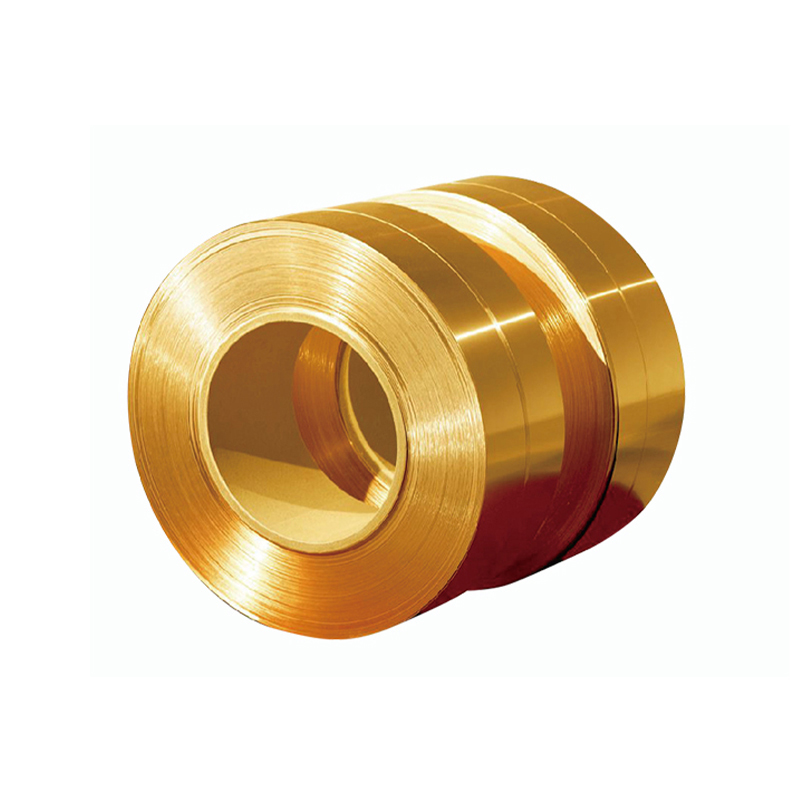
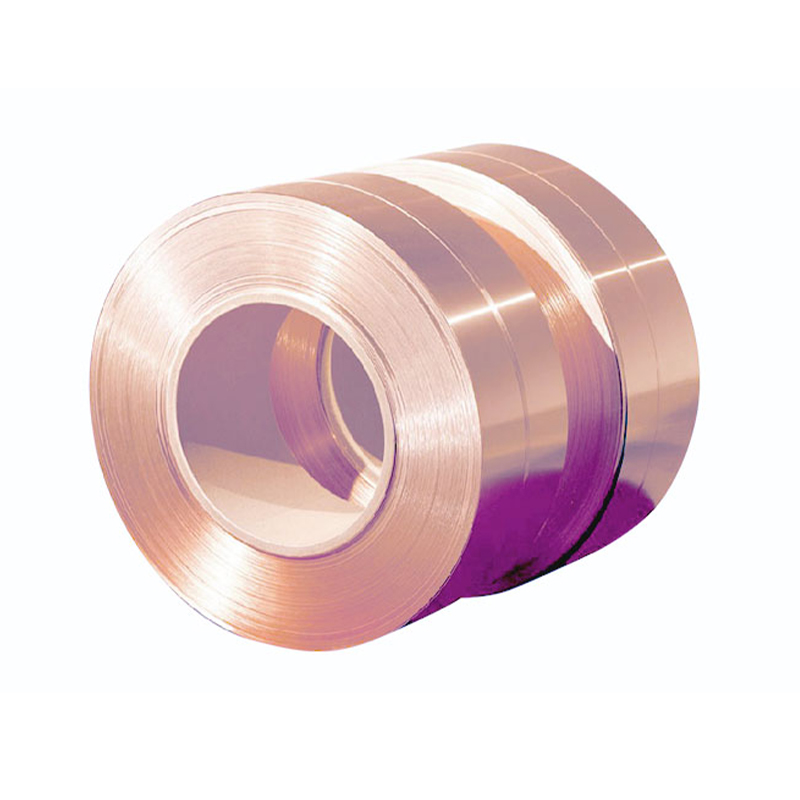
High-precision copper strips are widely used in electronics, electrical engineering, and precision instruments due to their excellent electrical and thermal conductivity and machinability. However, copper is prone to oxidation in humid or corrosive environments, forming verdigris or black oxide films, which not only affect appearance but also reduce conductivity and mechanical properties. Therefore, surface treatment processes are crucial for improving the corrosion resistance and oxidation resistance of high-precision copper strips.
Chemical plating is one of the common and effective methods for surface treatment of high-precision copper strips. By depositing a layer of nickel, silver, or other metals on the copper surface, a dense protective film is formed, effectively preventing oxygen from directly contacting the copper. This type of plating not only has excellent oxidation resistance but also increases the hardness of the copper surface, improving wear resistance. For example, nickel plating can significantly improve the corrosion resistance of copper strips in humid environments, while silver plating, due to its high conductivity, is often used in electronic connectors and other applications with strict signal transmission requirements.
Electroplating is similar to chemical plating, but it deposits a denser and more uniform metal film on the copper surface through an electrochemical reaction, such as zinc plating and chromium plating. Electroplating not only provides antioxidant protection but also enhances the wear resistance and corrosion resistance of copper parts. For example, zinc plating forms a basic zinc carbonate protective film in salt spray environments, effectively slowing down the corrosion process; chromium plating, due to its high hardness and chemical resistance, is often used for copper parts that need to be exposed to harsh environments for extended periods.
Passivation is a process that forms a thin oxide film on the copper surface using chemical methods. The passivation film has a certain degree of inertness, preventing further oxidation reactions. For example, copper strips treated with chromium-free passivation solutions can form a dense protective film on the surface, isolating corrosive media and significantly improving corrosion resistance. Passivation is commonly used in precision copper parts or parts requiring strict surface treatment. By forming a stable protective layer, it ensures the appearance of the copper parts while greatly improving their oxidation resistance.
Coating with anti-oxidation oil is another common antioxidant treatment. By coating the surface of copper parts with a special anti-oxidation oil, a physical barrier is formed, isolating oxygen and moisture from the air and slowing down the oxidation rate of the copper. Anti-oxidation oil coatings play a crucial protective role in certain special environments, such as outdoor equipment or copper components in humid environments. Furthermore, the coating process is simple to operate, low in cost, and suitable for large-scale production applications.
Nano-coating technology provides a new solution for the surface treatment of high-precision copper strips. Nano-coating materials, such as silica, can form a colorless and transparent protective film on the copper surface, with a thickness measured in micrometers, without altering the color and texture of the copper. Nano-coatings exhibit excellent acid and alkali resistance and corrosion resistance, meeting stringent salt spray testing requirements. For example, in marine environments, nano-coatings can significantly improve the corrosion resistance of copper strips, preventing seawater from reacting with the copper surface and extending service life.
Alloying treatment involves adding antioxidant elements (such as phosphorus and tin) to copper to create an alloy, thereby improving the oxidation resistance of the copper strip. For example, phosphor bronze, by adding phosphorus, not only improves the strength and hardness of copper but also significantly enhances its corrosion resistance in humid environments. Alloying treatment can fundamentally improve the performance of copper strips and is suitable for applications requiring high corrosion resistance and mechanical properties.
Storage and environmental management are also crucial for improving the corrosion resistance and oxidation resistance of high-precision copper strips. Copper strips should be stored in a dry, well-ventilated environment, avoiding moisture and high temperatures. During transportation, vacuum or nitrogen-filled packaging with desiccants is necessary to prevent oxidation. Furthermore, regularly cleaning contaminants from the copper strip surface and avoiding contact with corrosive media such as acid mist and salt spray are also key to maintaining its performance stability.