


How does high-precision copper strip drive the pulse of modern energy and electronics?
Release Time : 2026-03-19
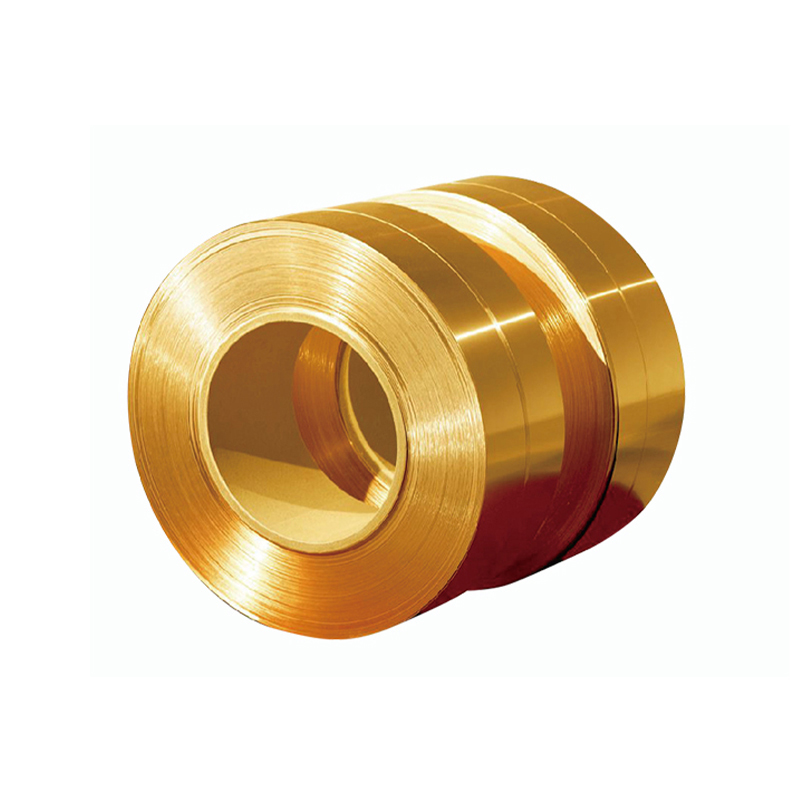
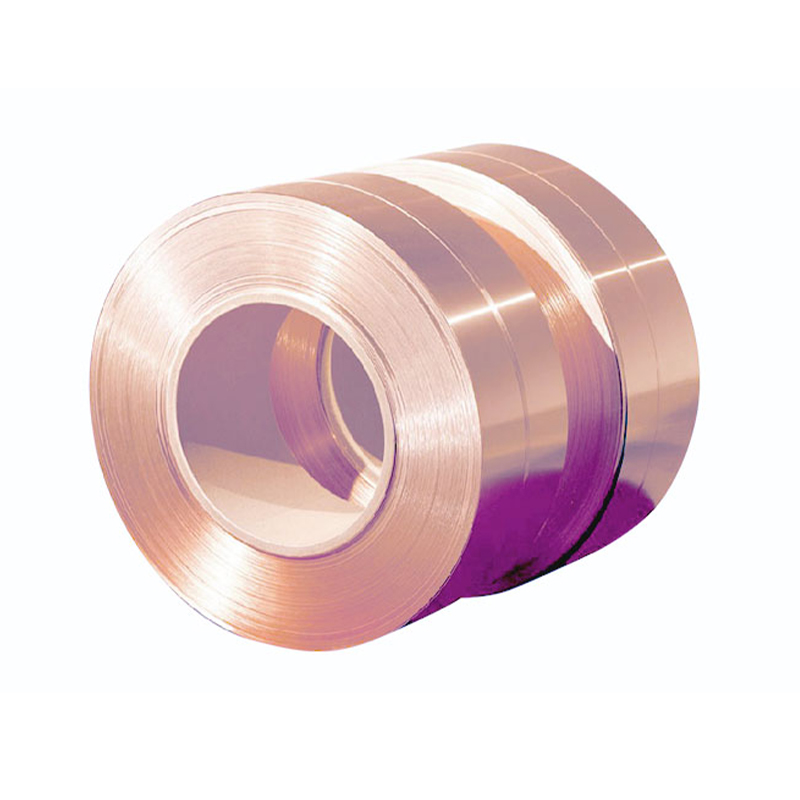
In the grand process of human civilization's profound transformation towards electrification and digitalization, a seemingly ordinary yet crucial basic material is silently supporting the operation of the entire modern industrial system. This is high-precision copper strip, a strategic-grade metallic material that combines high electrical conductivity, high thermal conductivity, excellent corrosion resistance, and superior processing performance. From tiny electronic components to vast power transmission networks, from traditional automotive electrical systems to cutting-edge new energy batteries and photovoltaic industries, high-precision copper strip, like a global network of blood vessels, efficiently transports energy and information, becoming a core driving force for the development of modern society.
The core value of high-precision copper strip is primarily reflected in its exceptional physical properties. Copper itself possesses electrical and thermal conductivity second only to silver, and high-precision copper strip, produced through advanced smelting and rolling processes, maximizes this advantage. Its internal crystal structure is dense and uniform, with impurity content controlled to extremely low levels, ensuring minimal current loss during transmission and allowing heat to dissipate rapidly without accumulation. This characteristic is crucial for high-voltage power equipment, transformer windings, and high-power electronic components. It not only improves energy efficiency but also effectively prevents equipment failures and even fires caused by overheating, building the first line of defense for the safe and stable operation of the power system.
In the fields of communication and electronic information, high-precision copper strip plays the role of signal guardian. With the explosive growth of 5G communication, data centers, and IoT technologies, the requirements for data transmission speed and stability have reached unprecedented levels. Coaxial cables, waveguides, and various precision connectors extensively use high-precision copper strip as the conductive substrate, utilizing its excellent shielding performance and low signal attenuation characteristics to ensure that massive amounts of data are transmitted without distortion or interruption at high speeds. Simultaneously, the material's excellent welding and brazing properties enable it to achieve robust and reliable connections with various electronic components, meeting the stringent requirements of microelectronic packaging for small dimensions and high precision, becoming an indispensable component of core components such as transistors and integrated circuits.
The rise of new energy vehicles and the renewable energy industry has opened up even broader application prospects for high-precision copper strip. In the wave of automotive electrification, everything from the flat coils inside the drive motor to the busbars inside the battery pack, and the complex wiring harness system of the entire vehicle, presents a dual challenge to the current-carrying capacity and lightweight design of conductive materials. High-precision copper strips, with their excellent flexibility and strength, can be processed into extremely thin and wide conductive strips, reducing size and weight while carrying enormous currents, significantly improving the range and performance of electric vehicles. In the photovoltaic solar energy field, high-performance composite copper strips are widely used in the electrode grid lines of solar cells, greatly reducing series resistance and improving photoelectric conversion efficiency, allowing every ray of sunlight to be converted into clean electricity more efficiently.
Furthermore, the superior corrosion resistance of high-precision copper strips enables them to serve for extended periods in various harsh environments. Whether in humid marine climates or industrial environments containing corrosive chemicals, it maintains stable performance, avoiding poor contact and functional failure due to oxidation or corrosion. This reliability translates to longer service life and lower maintenance costs for critical infrastructure such as fire safety systems, underground power facilities, and outdoor communication base stations.
From microscopic chip interconnects to macroscopic power grid architectures, high-precision copper strip, with its irreplaceable comprehensive performance, is deeply embedded in every aspect of modern industry. It is not only a carrier of electric current but also a cornerstone of technological progress. With continuous breakthroughs in new materials technology and the ongoing expansion of its application scenarios, high-precision copper strip will continue to play a crucial role in improving energy efficiency, promoting green transformation, and empowering smart living. With its robust and efficient characteristics, it will continue to drive human civilization towards a brighter and more prosperous future.
The core value of high-precision copper strip is primarily reflected in its exceptional physical properties. Copper itself possesses electrical and thermal conductivity second only to silver, and high-precision copper strip, produced through advanced smelting and rolling processes, maximizes this advantage. Its internal crystal structure is dense and uniform, with impurity content controlled to extremely low levels, ensuring minimal current loss during transmission and allowing heat to dissipate rapidly without accumulation. This characteristic is crucial for high-voltage power equipment, transformer windings, and high-power electronic components. It not only improves energy efficiency but also effectively prevents equipment failures and even fires caused by overheating, building the first line of defense for the safe and stable operation of the power system.
In the fields of communication and electronic information, high-precision copper strip plays the role of signal guardian. With the explosive growth of 5G communication, data centers, and IoT technologies, the requirements for data transmission speed and stability have reached unprecedented levels. Coaxial cables, waveguides, and various precision connectors extensively use high-precision copper strip as the conductive substrate, utilizing its excellent shielding performance and low signal attenuation characteristics to ensure that massive amounts of data are transmitted without distortion or interruption at high speeds. Simultaneously, the material's excellent welding and brazing properties enable it to achieve robust and reliable connections with various electronic components, meeting the stringent requirements of microelectronic packaging for small dimensions and high precision, becoming an indispensable component of core components such as transistors and integrated circuits.
The rise of new energy vehicles and the renewable energy industry has opened up even broader application prospects for high-precision copper strip. In the wave of automotive electrification, everything from the flat coils inside the drive motor to the busbars inside the battery pack, and the complex wiring harness system of the entire vehicle, presents a dual challenge to the current-carrying capacity and lightweight design of conductive materials. High-precision copper strips, with their excellent flexibility and strength, can be processed into extremely thin and wide conductive strips, reducing size and weight while carrying enormous currents, significantly improving the range and performance of electric vehicles. In the photovoltaic solar energy field, high-performance composite copper strips are widely used in the electrode grid lines of solar cells, greatly reducing series resistance and improving photoelectric conversion efficiency, allowing every ray of sunlight to be converted into clean electricity more efficiently.
Furthermore, the superior corrosion resistance of high-precision copper strips enables them to serve for extended periods in various harsh environments. Whether in humid marine climates or industrial environments containing corrosive chemicals, it maintains stable performance, avoiding poor contact and functional failure due to oxidation or corrosion. This reliability translates to longer service life and lower maintenance costs for critical infrastructure such as fire safety systems, underground power facilities, and outdoor communication base stations.
From microscopic chip interconnects to macroscopic power grid architectures, high-precision copper strip, with its irreplaceable comprehensive performance, is deeply embedded in every aspect of modern industry. It is not only a carrier of electric current but also a cornerstone of technological progress. With continuous breakthroughs in new materials technology and the ongoing expansion of its application scenarios, high-precision copper strip will continue to play a crucial role in improving energy efficiency, promoting green transformation, and empowering smart living. With its robust and efficient characteristics, it will continue to drive human civilization towards a brighter and more prosperous future.